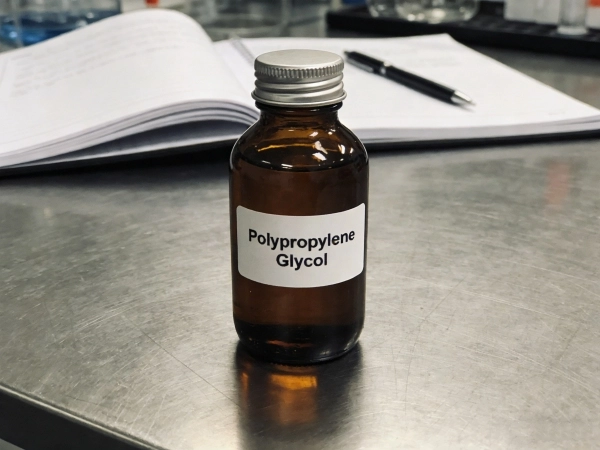
Polypropylene glycol (PPG) is a polyether compound formed by the polymerization of propylene oxide. Depending on the synthesis method, it can be linear or branched, which directly affects its viscosity, solubility, and functional applications. The official CAS number for PPG is 25322-69-4, a key identifier that guarantees its chemical structure and purity. Its repeating –CH₂–CH(CH₃)–O– units create a flexible polymer chain, giving PPG excellent chemical stability and compatibility with a variety of substances.
Chemists and engineers often choose PPG for its unique combination of low toxicity, hydrolytic resistance, and broad solubility, which makes it a versatile industrial raw material across multiple sectors.
PPG is available in multiple molecular weights, each suited for different applications. Low molecular weight grades, such as PPG 200 and PPG 400, are relatively fluid and easily soluble, making them ideal for liquid formulations and cosmetic products. Medium grades like PPG 600 offer a balance between fluidity and viscosity, often used in intermediate chemical formulations. High molecular weight PPG 1000 is thicker, providing structural benefits as a polymer modifier or thickener in industrial processes.
Molecular weight influences physical properties, including viscosity, hydrophilicity, and compatibility with other compounds. Choosing the correct grade is essential for maximizing performance in polyurethane foams, coatings, cosmetics, and other industrial applications.
PPG serves as a polyol component in polyurethane (PU) foam production, a role critical to foam flexibility, resilience, and stability. By reacting with diisocyanates, PPG forms urethane linkages, producing foam with customizable density and elasticity. Low molecular weight PPG leads to softer foams, whereas higher molecular weight grades contribute to denser, more rigid structures.
In addition to its structural role, PPG enhances chemical resistance and reduces the likelihood of foam degradation over time. Its low toxicity ensures safety in products ranging from furniture cushions to automotive interiors, which makes it a preferred choice for manufacturers worldwide.
Low molecular weight PPG, such as PPG 200 and PPG 400, is widely used in cosmetics and personal care products because of its excellent solubility, low viscosity, and biocompatibility. It acts as a humectant, moisturizer, and carrier for active ingredients in creams, lotions, and serums. Its chemical stability ensures long shelf life without degrading or reacting with other components.
Formulators appreciate low molecular weight PPG for its non-greasy texture, ability to blend with water and oils, and smooth application on the skin. These properties make it a versatile ingredient in both high-end and mass-market cosmetic products.
High molecular weight PPG, such as PPG 1000, is commonly employed as a thickener, emulsifier, or polymer modifier in industrial formulations. Its longer polymer chains increase viscosity, improve texture, and enhance stability in paints, coatings, and metalworking fluids. Additionally, it can modify the mechanical properties of other polymers, offering flexibility or rigidity depending on the application.
In textiles and coatings, high molecular weight PPG ensures uniform distribution of active ingredients, reduces settling, and enhances overall product performance. Its multifunctional nature makes it an indispensable component in advanced industrial formulations.